
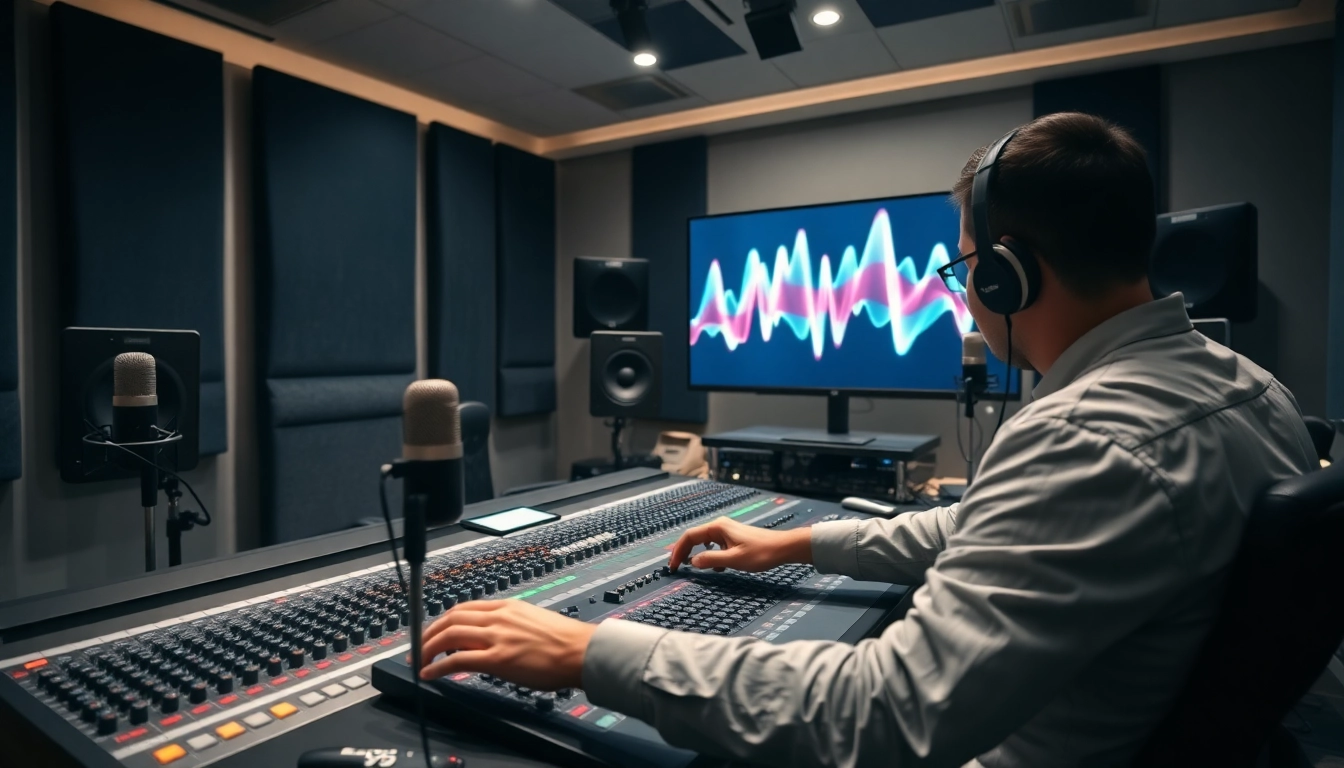
The Basics of Online Mastering Services
What is Online Mastering?
Online mastering is the final stage of audio production that serves to polish a track before release. This process involves enhancing the overall sound and ensuring that the audio meets industry standards for distribution across various platforms. With advancements in technology, online mastering services have become increasingly popular, allowing artists and producers to submit their tracks remotely. This method not only saves time but also provides access to experienced mastering engineers worldwide. Essentially, online mastering involves sending your mixed audio files to a mastering service, where they are processed to achieve optimal sound quality.
Benefits of Online Mastering Services
Utilizing online mastering services offers numerous advantages for musicians at all levels. One of the primary benefits is cost-effectiveness; many online services offer competitive pricing compared to traditional studio mastering. Additionally, artists can access specialized mastering engineers who bring extensive experience and expertise, tailored to diverse genres.
Another notable advantage is the convenience factor. Musicians can submit their tracks from anywhere in the world and receive high-quality masters without needing to travel. This flexibility allows for faster turnaround times, making it easier for artists to release their music without delays. Online mastering services also often provide a range of presets and options tailored to different music styles, ensuring that the final product meets the artist’s vision.
Choosing the Right Online Mastering Service
When selecting an online mastering service, it’s crucial to consider several factors. Start by examining the service’s track record and the quality of the samples available on their platform. Listen to the different genres they specialize in and ensure that their style aligns with your music. Furthermore, factor in the pricing structure—some services offer pay-per-track models, while others may provide subscriptions.
Another key element is communication. A good online mastering service should allow for dialogue before and after the mastering is complete to ensure that the artist’s intent is fully realized. Lastly, look for user reviews and testimonials that speak to the quality and reliability of the service. This research will help you make an informed decision to achieve the best results for your music.
Key Features of Effective Online Mastering Services
Audio Quality Standards
Audio quality is paramount in the mastering process. Effective online mastering services adhere to high-quality standards that ensure your tracks are competitive in the music industry. This includes working with high-resolution audio files and employing lossless compression techniques that don’t degrade audio quality. A reputable service will also offer insight into their equipment and software capabilities, showcasing their ability to meet current industry standards.
Typically, professional mastering includes enhancing the track’s tonal balance, dynamic range, and stereo width, resulting in a final product that sounds polished and refined across all listening platforms, from high-end speakers to mobile devices.
Turnaround Time Expectations
Turnaround time varies across online mastering services but is generally quicker than traditional mastering options. Many services promise a turnaround time ranging from 24 hours to a week, depending on the complexity of the project and the specific service selected. It’s important to set realistic expectations, as mixing multiple tracks or revising for detailed feedback can extend the timeline. Additionally, during peak seasons, such as pre-holiday periods, mastering services may experience a higher volume of work, impacting turnaround times.
Pricing Structures Explained
Pricing for online mastering can be straightforward or may come in several tiers, depending on service offerings. Some services operate on a pay-as-you-go basis, charging per track, while others offer subscription models that can be advantageous for frequent users. Typically, prices can range from $20 to several hundred dollars per track, depending on the complexity and prestige of the service. Included in your fee should be a reference mix, an opportunity to provide feedback, and multiple file formats for distribution. Understanding the full pricing structure will help you budget for album or single releases more effectively.
How to Prepare Your Music for Online Mastering Services
Submitting Tracks: Best Practices
Properly preparing your music for submission can significantly impact the outcome of the mastering process. First, ensure your mix is complete and approved by you and any collaborators. Export your track at the highest possible resolution—preferably 24-bit WAV files at the sample rate used during mixing. Include a reference track that exemplifies the sound quality you aim for; this can guide the mastering engineer in achieving the desired atmosphere. Also, label your files clearly and include notes on any specific changes you’d like, such as volume adjustments or tonal modifications.
Common Mistakes to Avoid
One of the most frequent errors artists make is submitting unfinished mixes. This can lead to compromises during mastering that might not align with the artist’s vision. Additionally, avoid excessive compression or limiting in the mixing phase, as it can severely limit a mastering engineer’s options for enhancing the track. Make sure to leave headroom (generally recommended at -3dB) to prevent clipping during mastering. Lastly, provide any specific instructions or contexts that might affect the mastering process, avoiding vagueness that can confuse the engineer.
Preparing Your Mix for Mastering
Preparing your mix for mastering involves a few essential steps. Begin by ensuring that all tracks are properly balanced in terms of volume levels and frequency distribution. A mix should sound cohesive, with no individual element overpowering others. Consider conducting a final check on all EQ settings and effects to ensure they serve the overall composition. Additionally, listen to your mix on different systems (headphones, studio monitors, and consumer speakers) to ensure a universally good sound. This way, you’d identify any specific frequency issues or elements that could be melded better before sending off your track for mastering.
Comparing Online Mastering Services
What to Look For in a Service Provider
When comparing online mastering services, prioritize the quality of work, turnaround times, and pricing. Look for platforms that highlight their mastering engineers’ qualifications and provide examples of their previous work. Additionally, assess the ease of use of their website interface—submitting tracks should be intuitive, with secure file transfer protocols. Moreover, inquire about customer service options. Reliable communication channels play a crucial role in your satisfaction throughout the process.
User Reviews and Feedback
User reviews can provide invaluable insight into the experiences of others with a given service. Search for independent reviews on forums, social media, and audio production communities. Pay attention to both positive and negative feedback, as well as common complaints or praises regarding audio quality, customer service, and turnaround times. A service may have good technical skills but might fall short on customer interaction, which can impact your overall experience.
Benchmarking Against Industry Standards
Benchmarking against industry standards will help gauge how well an online mastering service holds up against the competition. Look for services that abide by industry standards such as adherence to loudness levels, stereo imaging, and dynamic range. Additionally, consider how they incorporate modern trends, including streaming considerations and specific mastering techniques relevant to different formats (Vinyl, CD, Digital). A service that keeps itself updated with the changing landscape of music consumption demonstrates a commitment to providing quality mastering outcomes.
Measuring the Success of Your Mastered Tracks
Quality Assurance in Mastering
After receiving your mastered track, an attentive quality assurance process is vital. This involves critical listening tests where you assess the mastered track against your reference mix. Listen not only on professional studio equipment but also on average consumer devices to ensure it translates well across various listening environments. Make sure to check for any unintended distortion, imbalances, or artifacts from the mastering process that may require revision.
Listening Tests and Feedback
Sharing your mastered tracks with trusted peers for feedback is a powerful way to measure success. Conduct listening tests with individuals who understand your genre and audience. Prepare targeted questions about the track’s balance, clarity, and emotional impact to gather meaningful evaluations. Collecting varied perspectives can help identify any lingering issues with the mix or mastering that you might have overlooked. Ultimately, the insights gathered here can guide future decisions regarding your sound and style.
How to Utilize Your Mastered Tracks Effectively
Once your tracks are mastered, it’s essential to make the most of them. Start by distributing them across appropriate platforms, whether streaming services, digital downloads, or physical releases. Additionally, ensure that your mastered tracks are stored in various formats (such as MP3 for streaming and WAV for high-quality playback) to cater to different uses. Promote the releases via social media, and consider performing them live to gauge audience reactions. Understanding how to utilize your mastered tracks effectively can lead to greater exposure and success in your music career.
Frequently Asked Questions
What is the difference between mixing and mastering?
Mixing involves combining individual audio tracks, balancing levels and applying effects. Mastering is the final step, enhancing the mixed track to optimize sound quality for distribution.
Can I master my songs myself?
While DIY mastering is possible, professional mastering offers expertise and experience that can significantly improve sound quality and dynamics.
How long does the mastering process take?
Typically, online mastering services offer turnaround times that range from 24 hours to a week, varying by service and project complexity.
Is it worth investing in professional mastering?
Yes, professional mastering enhances audio quality, increases distribution viability, and ensures your music meets industry standards, making it a valuable investment.
What formats should I submit for mastering?
Submit your tracks in high-resolution formats, preferably 24-bit WAV files, along with mix notes and a reference track to guide the mastering engineer.