
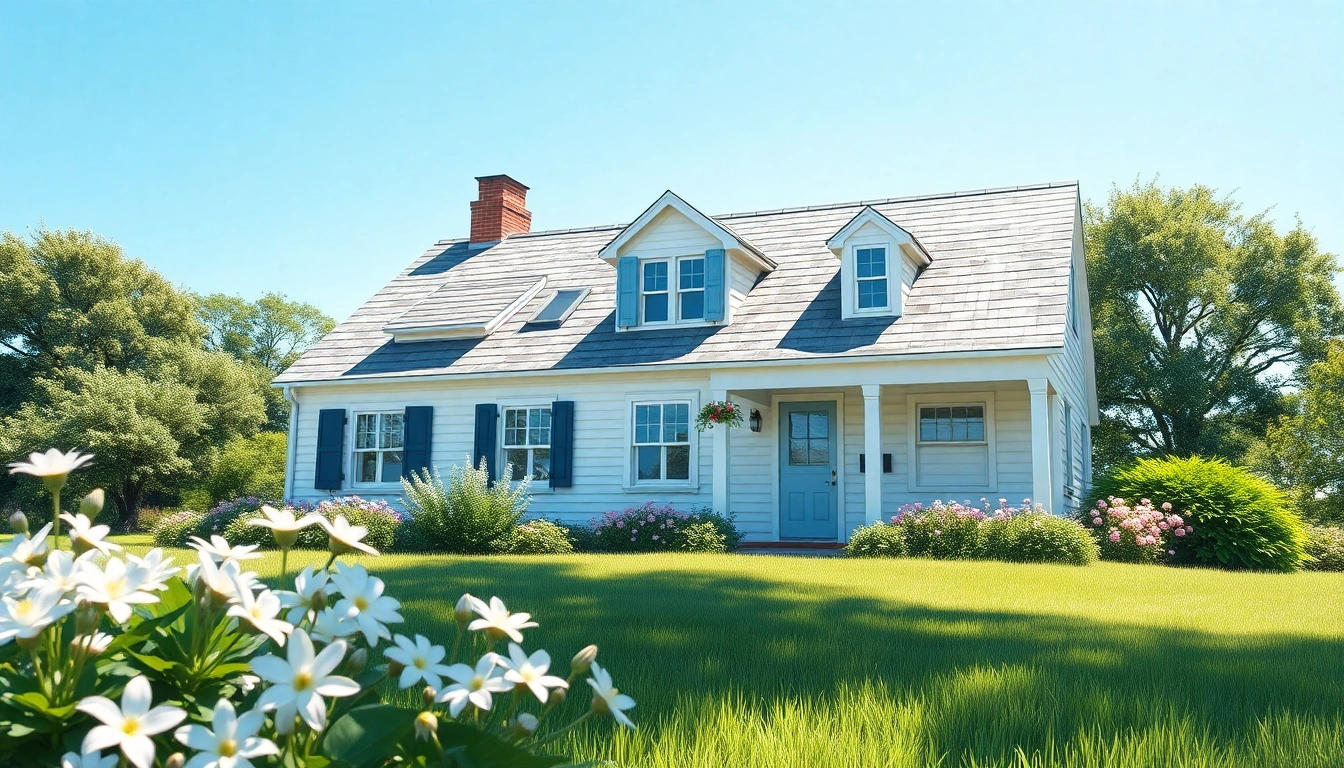
Overview of Cape Cod Homes
Cape Cod homes have long held a cherished place in American architecture, primarily characterized by their charm, simplicity, and functionality. Traditionally, these homes are steeped in history, reflecting the maritime heritage and lifestyle of the New England region. As an extension of this legacy, an increasing number of homeowners are seeking to expand and modernize their cape cod homes, ensuring that these structures not only endure but also accommodate contemporary living standards.
Historical Significance
The origins of Cape Cod homes can be traced back to the 17th century when early settlers built simple, practical homes that provided shelter against harsh New England winters. Constructed with steep roofs to shed snow, large chimneys for heating, and a symmetrical façade, these homes were designed with survival in mind. Over time, the architectural style evolved, influencing residential designs across various regions. The historical importance of these homes lies not only in their construction but also in the stories they embody—each house telling a tale of generations who have lived, adapted, and thrived within its walls.
Architectural Features
The architectural features of Cape Cod homes are distinct and recognizable. Key characteristics include:
- Steep Roofs: The high-pitched roofs are essential for snow and rain runoff.
- Dormer Windows: These windows provide additional space and natural light in the upper levels.
- Wooden Siding: Typically painted in pale colors, the wooden siding contributes to the house’s traditional aesthetic.
- Symmetrical Design: The placement of windows and doors along a central axis creates a harmonious visual appeal.
These features not only contribute to the historical integrity of the homes but also highlight their practical nature.
Modern Adaptations
While retaining traditional elements, modern Cape Cod homes often incorporate contemporary tweaks that address current concerns, such as energy efficiency and open-concept living spaces. Today, homeowners might expand their properties by adding larger windows, enhancing insulation, and integrating sustainable materials, which all reflect a shift towards environmental consciousness. Furthermore, expanded layouts often include multi-functional spaces, promoting both comfort and utility in daily living.
Planning Your Cape Cod Home Expansion
Enhancing your Cape Cod home can be a fulfilling yet complex undertaking. A well-thought-out plan is essential to navigate the intricacies of home expansion while honoring the original structure’s style.
Assessing Your Needs
The first step in any expansion project is to assess your needs. Consider factors such as your family size, lifestyle, and future plans. Do you require additional bedrooms or a larger kitchen? Will you benefit from a dedicated office space for remote work? Identifying your primary requirements will help guide your expansion and ensure that the final design enhances your living experience.
Permitting and Regulations
Before any physical work begins, it’s crucial to understand the local permitting and regulations. Zoning laws may dictate the types of expansions allowed, particularly in historic areas where maintaining architectural integrity is important. Consult your local building department to learn about the necessary permits and regulations, as well as any inspections required during the process.
Budgeting for Your Project
Creating a realistic budget is one of the most critical aspects of home expansion. Include estimates for materials, labor, and any unexpected costs that might arise. Additionally, consider engaging a professional architect who specializes in Cape Cod aesthetics, as they can provide guidance on maintaining the structural integrity and historical charm of your home while meeting modern standards. By carefully planning your budget, you can avoid financial pitfalls and ensure a smoother expansion process.
Interior Design Ideas for Cape Cod Homes
The interior of Cape Cod homes often reflects a blend of simplicity and elegance, capturing the essence of seaside living. When planning your interior design, consider these transformative ideas.
Color Palettes and Finishes
Soft, muted colors are a hallmark of Cape Cod interior design. Consider hues like pale blues, sandy beiges, and creams that echo the coastal landscape. These colors create a serene environment that enhances natural light, helping spaces feel open and inviting. Complementing these palettes with natural finishes—such as weathered wood or stone—can further enhance the seaside aesthetic.
Maximizing Natural Light
cape cod homes are often designed to incorporate abundant natural light, which can dramatically affect mood and perception of space. Consider using large windows, skylights, and glass doors, allowing for seamless indoor-outdoor living. This approach not only brightens your home but also connects it more closely with the surrounding landscape.
Functional Spaces for Families
Modern families benefit from multi-functional spaces that adapt to various needs. Creating an open-concept design in social areas—such as combining the kitchen, dining, and living spaces—can foster interaction and ease of movement. Additionally, incorporate custom-built furniture solutions that maximize storage while keeping floor space open. Designing for functionality will ensure your Cape Cod home remains a practical family haven.
Landscaping Around Cape Cod Homes
Thoughtful landscaping enhances the overall aesthetic of Cape Cod homes while also improving curb appeal. A beautiful exterior sets the tone for what lies within.
Choosing Native Plants
Utilizing native plants is not only environmentally responsible but also enhances the natural aesthetics of your landscape. Species such as beach roses, hydrangeas, and salt-tolerant grasses thrive in local conditions and require less maintenance. By choosing plants that are well-adapted to the regional climate, you can create a thriving garden that minimizes water and chemical usage.
Creating Outdoor Living Spaces
Outdoor living areas are a fantastic way to extend your home’s functionality. Consider constructing patios, decks, or outdoor kitchens that offer spaces for entertaining and relaxing. These areas can be designed using materials that complement the architectural style of your Cape Cod home, providing continuity between indoor and outdoor spaces.
Seasonal Maintenance Tips
Maintaining the landscape around your Cape Cod home is crucial for ensuring it remains vibrant and welcoming. Regularly check and prune shrubs and trees, and ensure that your garden beds are well-aerated and nourished. Additionally, seasonal tasks such as mulching, fertilizing, and cleaning hardscapes are essential in keeping your outdoor environment looking its best throughout the year.
Frequently Asked Questions
What defines a Cape Cod home?
A Cape Cod home is characterized by its steep roof, dormer windows, and symmetrical design, often featuring wooden siding.
Can I expand my Cape Cod home?
Yes, expansions are common, but ensure compliance with local zoning regulations and architectural styles to maintain charm.
What colors are best for Cape Cod homes?
Soft whites, blues, and earthy tones complement the traditional Cape Cod style while enhancing curb appeal.
How can I improve energy efficiency?
Upgrading insulation, windows, and utilizing energy-efficient appliances can significantly improve your home’s efficiency.
What landscaping works best with Cape Cod homes?
Native plants, flowering shrubs, and well-defined walkways enhance the natural beauty of Cape Cod homes.